
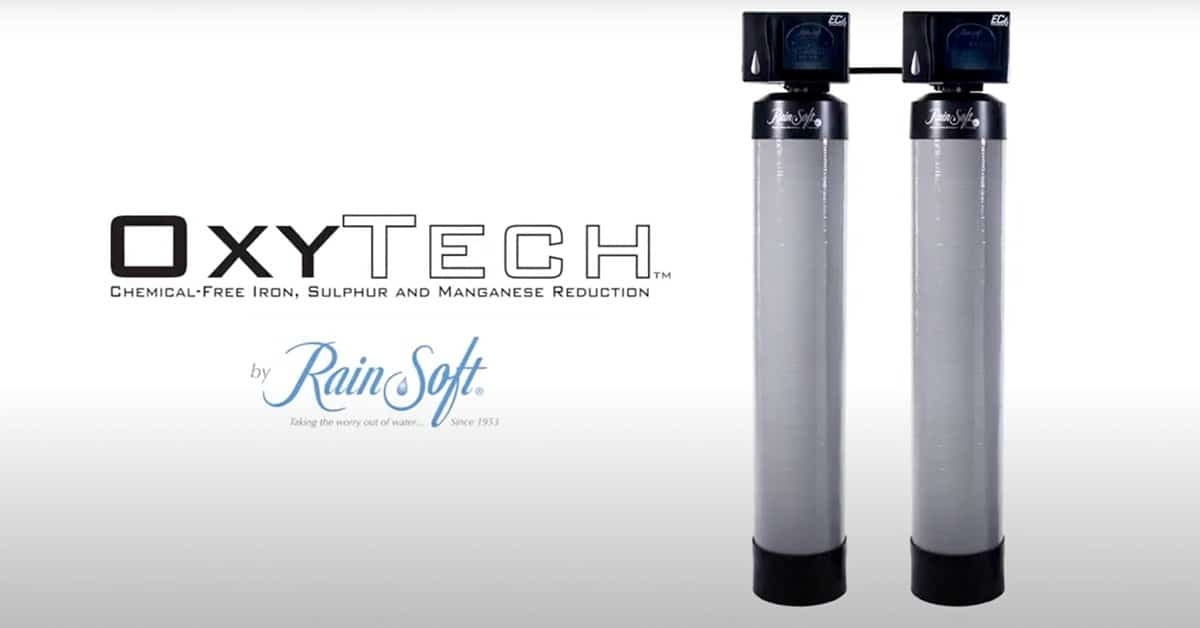
Sulfur smell in water can be a real headache for homeowners, businesses, and public facilities that depend on well or municipal water supplies. This distinct “rotten egg” odor not only causes discomfort but also raises valid concerns about the safety and quality of the water. Berks Water Technology specializes in identifying and addressing these water quality problems, providing effective solutions to ensure that your water is clean and odor-free. In this blog post, we’ll delve into the common reasons behind sulfur odors in water and how a professional water treatment company can help you solve this issue once and for all.
Introduction
If you’ve ever turned on the tap and noticed a foul, sulfur-like smell, you’re definitely not alone. The presence of sulfur odor in water is a known issue that affects both homes and commercial properties. While it’s unpleasant, continuous sulfur smell may signal deeper water quality issues. By pinpointing the common causes and exploring treatment options, you can take the first steps toward regaining confidence in your water supply.
What Causes Sulfur Odor in Water?
The Role of Hydrogen Sulfide Gas
Hydrogen sulfide gas (H₂S) is the main culprit behind that sulfur smell in your water. This colorless gas is generated when decaying organic matter or certain bacteria break down natural sulfate compounds in low-oxygen environments. Even tiny amounts—like 0.1 milligrams per liter—can make your water smell distinctly like sulfur.
Sulfate-Reducing and Sulfur Bacteria
Certain types of bacteria, particularly sulfate-reducing bacteria, can also contribute significantly to the issue. These microorganisms thrive in low-oxygen settings, like deep wells or plumbing systems, and feed on sulfur or sulfate compounds, producing hydrogen sulfide gas as a byproduct, which then mixes into the water, causing the sulfur odor.
Plumbing and Water Heater Issues
Sometimes, the source of the sulfur smell isn’t the water itself, but rather issues within the plumbing—especially in water heaters. The magnesium anode rod found in traditional water heaters can react chemically with naturally occurring bacteria or sulfates in the water, creating hydrogen sulfide gas. If you notice the sulfur odor primarily in hot water, it’s often a sign that your water heater may be to blame.
Well Water and Environmental Contamination
Private well systems are particularly susceptible to sulfur odors, as they provide ideal conditions for sulfur bacteria and usually have less chlorine disinfection compared to municipal systems. Moreover, wells situated near industrial or agricultural sites can become contaminated with hydrogen sulfide due to runoff, increasing the likelihood of sulfur odors in the water.
4 Signs and Implications of Sulfur Odor in Water
- A persistent rotten egg smell in both hot and cold water
- A stronger odor when water has been sitting in pipes or tanks
- Staining on fixtures, pipes, or laundry
- An unpleasant taste in your drinking or cooking water
While low levels of sulfur odor in water aren’t typically dangerous, higher concentrations can lead to pipe corrosion and negatively impact the taste, smell, and overall quality of the water.
Health and Household Impacts
Though hydrogen sulfide gas in drinking water usually comes off as more of a nuisance than a health hazard at low levels, it can still:
- Cause corrosion in pipes, leading to leaks or costly repairs
- Create black stains or corrosion on plumbing fixtures and household appliances
- Detract from the usability of water for drinking, cooking, or bathing
- Lower property value and erode customer trust at commercial establishments.
How a Water Treatment Company Can Help
Professional Water Testing and Diagnosis
Getting an accurate diagnosis is crucial. Berks Water Technology starts by performing thorough water tests to figure out the specific concentration of hydrogen sulfide, the presence of sulfur bacteria, and any other potential contaminants. This understanding allows for a focused treatment strategy tailored to your water system.
Customized Treatment Solutions
Some effective technologies include:
1. Chlorination Systems: Here, chlorine is injected to oxidize hydrogen sulfide gas into harmless sulfate while disinfecting the water. Professional treatment companies meticulously manage chlorine levels to keep the water safe and palatable.
2. Aeration and Filtration: Aeration systems introduce air into the water, promoting the oxidation of hydrogen sulfide, making it easier to filter out. Various filtration media, such as gravel or carbon, can further eliminate leftover gas and organic compounds responsible for the odor.
3. Water Heater Maintenance: If the odor is only present in hot water, technicians might recommend flushing the heater, increasing the temperature to kill bacteria, or swapping out the magnesium anode rod for a different type to prevent new hydrogen sulfide formation in the tank.
4. Activated Carbon Filtration: Specialized activated carbon filters work well for absorbing and removing low levels of hydrogen sulfide from both municipal and well water. Professionals must size and maintain these filters carefully to achieve the best results.
5. Advanced Oxidation Systems: For stubborn or high levels of sulfur odor in water, advanced oxidation systems like ozone or catalytic oxidation can effectively break down hydrogen sulfide gas and other odor-causing organic compounds. This treatment is particularly suitable for commercial or multi-family properties.
Ongoing Maintenance and Monitoring
Effective treatment doesn’t stop after installation. Berks Water Technology also offers ongoing maintenance to ensure all systems are running optimally, filters are replaced as needed, and water quality remains consistent. Regular professional monitoring helps catch issues early and keeps your water fresh and odor-free.
Advantages of Professional Water Treatment
Working with experts to tackle sulfur odors in water comes with several benefits:
- Accurate, science-based recommendations and system designs
- Assurance that all equipment is appropriately sized and installed for your situation
- Peace of mind knowing your water is odor-free and safe for every use
- Cost savings by prolonging the lifespan of plumbing, appliances, and fixtures.
Conclusion
A sulfur smell in water doesn’t have to be a perpetual nuisance. With the expertise of water treatment professionals like Berks Water Technology, you can enjoy clean, odor-free water that’s safe for everyone—your family, employees, or customers. Thorough testing, top-notch treatment systems, and reliable service are the keys to tackling sulfur-related issues and restoring your confidence in the water you use every day. If you’re dealing with sulfur odors in your water, don’t hesitate to reach out for a professional consultation—because everyone deserves better water each day.
Are you ready to schedule your RainSoft water treatment system installation? Get in touch with Berks Water Technology today!
Stay up to date with Berks Water Technology by following us on Instagram and liking us on Facebook.