
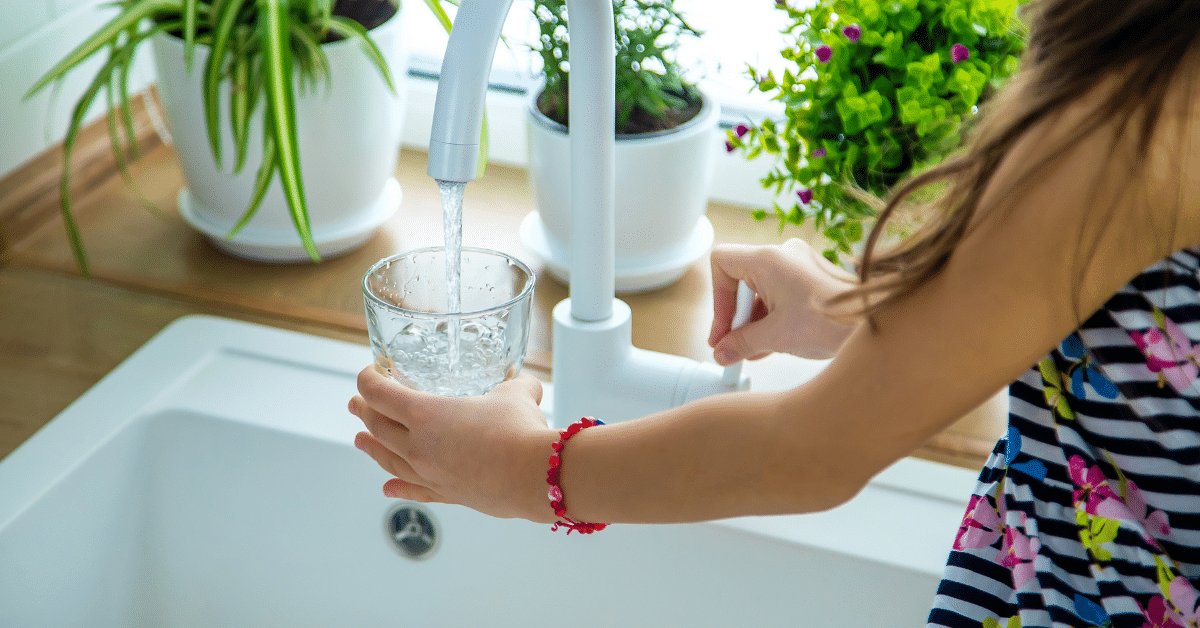
When homeowners start thinking about improving their water quality, the first solution many people consider is a simple device attached to the kitchen faucet. These products are widely available, easy to install, and often marketed as an affordable way to improve taste and clarity. While that approach can be helpful in certain situations, it is only one option among many. Understanding how a tap water filter compares to a whole-home system helps homeowners make informed decisions based on their needs, water conditions, and long-term goals.
Water is used for far more than drinking. It flows through showers, washing machines, dishwashers, water heaters, and every pipe in the house. Because of this, the type of filtration you choose can affect not only what you drink but also how your home functions over time. Berks Water Technology helps homeowners evaluate these differences and decide whether a single-point solution or a full-home approach makes the most sense.
What a Tap Water Filter Is Designed to Do
A tap water filter is a point-of-use device installed directly on a faucet or used through a pitcher or countertop attachment. Its primary purpose is to improve the quality of water at one specific location, most often the kitchen sink. These filters are commonly used to reduce chlorine taste, odor, or small amounts of sediment.
Because they are limited to one faucet, this type of filtration only affects the water you drink or cook with at that location. The rest of the home continues to receive untreated water. For some households, that may be sufficient, especially if taste is the main concern.
How Whole-Home Water Filtration Works
Whole-home systems are installed where water enters the house, treating all water before it reaches any faucet or appliance. Instead of focusing on one outlet, these systems improve water quality throughout the entire plumbing system.
This approach addresses broader concerns such as hardness, sediment, and mineral buildup. It also helps protect appliances and fixtures that rely on clean water to operate efficiently. Whole-home systems are often customized based on water testing results to ensure the right treatment for local conditions.
Coverage Area: One Faucet vs the Entire Home
One of the biggest differences between these two options is coverage. A tap water filter improves water at a single point, while a whole-home system improves water everywhere.
If your goal is only to improve drinking water, a tap water filter may feel like enough. However, water used for bathing, laundry, and cleaning remains unchanged. This can lead to continued scale buildup, soap inefficiency, and wear on plumbing and appliances.
Whole-home filtration creates consistency by treating every faucet, shower, and appliance in the home.
Impact on Plumbing and Appliances
Water quality has a direct impact on plumbing systems and household appliances. Minerals and sediment can accumulate inside pipes, reducing flow and increasing internal wear over time. Appliances such as water heaters and dishwashers often lose efficiency as scale builds up on internal components.
A tap water filter does not address these issues because it treats water only at the point of use. Whole-home filtration reduces mineral content before water enters the plumbing system, helping extend the life of pipes and appliances.
This long-term protection is one of the main reasons homeowners choose whole-home systems when dealing with hard water or recurring maintenance concerns.
Taste and Odor Improvements
Taste and odor are often the first water quality issues homeowners notice. Chlorine, commonly used in municipal water treatment, can affect both.
A tap water filter can improve taste and odor at the kitchen sink, which makes a noticeable difference for drinking and cooking. However, chlorine and other chemicals may still be present in water used for showers, laundry, and handwashing.
Whole-home systems address taste and odor throughout the house, improving bathing comfort and reducing chemical exposure during everyday activities.
Convenience and Maintenance Considerations
Maintenance requirements differ significantly between these two options. Tap-mounted filters typically require frequent cartridge changes. If replacements are forgotten, effectiveness drops and water quality may suffer.
With a tap water filter, homeowners must track replacement schedules for each device. Whole-home systems are designed for longer service intervals and are often supported by professional maintenance.
Berks Water Technology helps homeowners understand maintenance expectations upfront, so there are no surprises after installation.
Addressing Hard Water and Mineral Content
Hard water is a common concern in many Pennsylvania homes. Calcium and magnesium minerals can cause scale buildup, cloudy water, and reduced soap performance.
A tap water filter is generally not designed to manage water hardness. While it may improve taste, it does little to reduce minerals throughout the home. Whole-home systems are specifically designed to address mineral content, protecting plumbing and improving water performance everywhere.
This difference is especially noticeable in bathrooms, kitchens, and laundry areas where scale buildup is most visible.
Cost Comparison Over Time
Upfront cost is often a deciding factor. Tap-mounted filters are relatively inexpensive initially, which makes them appealing for quick improvements.
Over time, however, replacement cartridges can add up, especially if multiple filters are used. Whole-home systems require a higher initial investment but often deliver greater long-term value through reduced maintenance, longer appliance life, and improved efficiency.
Looking beyond the initial price helps homeowners better understand the true cost and benefit of each option.
Water Quality Testing and Custom Solutions
Choosing the right filtration solution starts with understanding what is actually in your water. Without testing, it is difficult to know whether a simple filter will be effective or if a more comprehensive system is needed.
Relying on a tap water filter without testing may leave underlying issues unaddressed. Whole-home systems are typically selected based on test results, ensuring treatment matches actual water conditions.
Berks Water Technology evaluates water quality before recommending solutions, helping homeowners avoid unnecessary equipment.
Lifestyle and Household Needs
Every household uses water differently. A single person in a small home may have very different needs than a family with multiple bathrooms and appliances.
For limited use, a tap water filter may be adequate. For larger households with higher water demand, whole-home filtration provides consistency and convenience that point-of-use filters cannot match.
Understanding how water is used day to day helps determine which option fits best.
Long-Term Home Value and Performance
Water quality affects more than daily comfort. It also impacts the long-term performance and value of a home. Scale buildup, plumbing wear, and appliance failure can lead to costly repairs over time.
While a tap water filter addresses a single concern, whole-home filtration supports overall system health. Homes with well-maintained water systems often experience fewer issues and lower long-term maintenance costs.
Choosing the Right Path Forward
Deciding between a point-of-use filter and a whole-home system depends on your goals, water conditions, and expectations. Both options serve a purpose, but they are not interchangeable.
A tap water filter can be a helpful starting point for improving drinking water. Whole-home systems provide broader benefits that support comfort, efficiency, and protection throughout the house.
Working with a professional helps ensure you choose a solution based on facts, not guesswork.
Getting Professional Guidance
Understanding filtration options does not have to be overwhelming. Professional guidance provides clarity and confidence.
Berks Water Technology helps homeowners compare solutions, review water test results, and select systems designed for long-term success. With the right approach, improving water quality becomes an investment in the health and performance of your home.
Stay up to date with Berks Water Technology by following us on Instagram and liking us on Facebook.